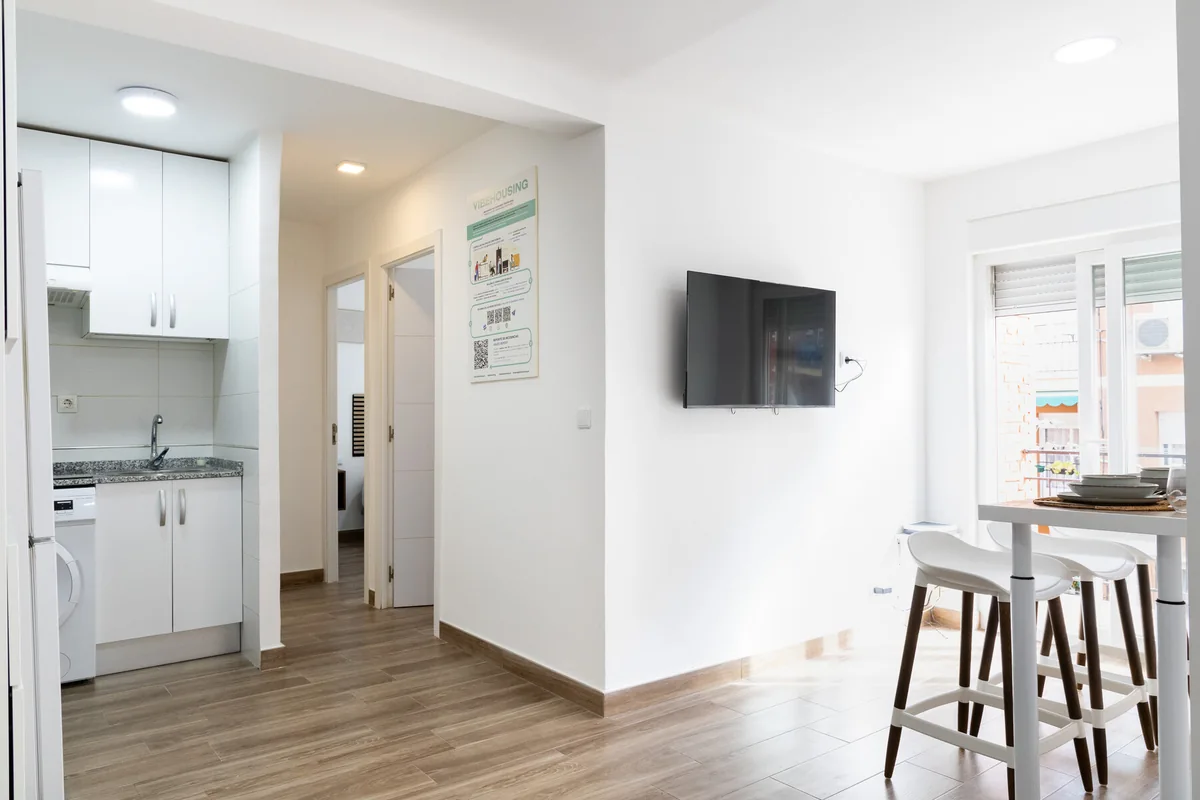
Before buying furniture or commissioning photos, review what each room needs for someone to move in and how the property will work when several people share a kitchen, bathroom and storage. This checklist helps you organize the preparation and share specific information with whoever will manage the rental.
The aim is to describe the actual condition, decide on outstanding work and make clear what will be offered. Physical preparation must go alongside a review of the requirements and conditions applicable to your property and its intended use.
1. Start with a property review
Record the layout, verified dimensions, the rooms you plan to offer and the shared areas residents will be able to use. Also identify what is still occupied and the estimated availability date. Do not advertise a space as ready if it still needs a repair.
Check doors, windows, shutters, faucets, lighting and whether appliances work. Describe each issue, keep a photo and decide who should assess it. If you have doubts about an installation or any work, seek an assessment from the relevant professional before completing the preparation.
2. Check each room against the same list
Think about the activities of the person who will live there: sleeping, storing clothes, studying or working and moving around with their belongings. Check the condition of the bed and mattress, storage, desk and chair where offered, lighting and accessible outlets.
Record the actual measurements and the equipment that will be provided. If a photo shows a lamp, mirror or bed linens that will not be included, clarify this in the listing. Remove damaged items and identify anything outstanding before taking photos.
- Room identification and verified measurements.
- Furniture and accessories provided, with their condition.
- Lighting, windows and advertised heating or cooling.
- Outstanding work and expected review date.
3. Organize the shared areas
Check that the kitchen has the advertised equipment and that you can explain where to store food, utensils and cleaning products. Also review laundry and drying options and the space available in bathrooms.
Do the same for the internet connection: router location and the coverage observed in each room. If you intend to advertise a specific speed, keep a recent measurement and state the test conditions. A single check does not guarantee the same connection at all times.
When replacing an appliance, compare features, capacity and the energy label. IDAE recommends reviewing the information on that label and comparing it with similar equipment. Also keep manuals and model details to make use and maintenance easier.
4. Separate repairs, replacements and decoration
Prepare a table listing the work, budget, person responsible and expected date. Distinguish what is needed to resolve an issue, what is missing from the advertised equipment and which improvements can wait.
| Priority | What to record | Next step |
|---|---|---|
| Outstanding inspection or repair | Observed problem and affected space | Professional assessment where appropriate |
| Equipment offered | Item missing, damaged or different from the description | Decide on replacement and update the inventory |
| Presentation improvement | Cosmetic work and budget | Assess its usefulness before commissioning it |
This list avoids mixing a cosmetic update with an outstanding repair. Do not assume every investment will allow you to increase the rent: its suitability depends on the condition, the offer you want to provide and the property's assessment.
5. Document what will be provided
Assign each room a list of furniture and items, their condition and dated photos. Add the shared areas, appliances and relevant keys or means of access. Keep an organized record to review changes between stays.
Distinguish the condition inventory from the marketing gallery. A listing photo explains the space; an inventory photo should let you locate the item and understand its condition. Use consistent room identification in documents, images and the listing.
The inventory describes what is present. Its contractual treatment, any necessary authorizations and questions about the property's use require a review of the specific case.
6. Prepare an accurate listing
Photograph the property when it is clean, with good light and framing that helps people understand the space. Include the room and the areas residents will have access to. Avoid perspectives or retouching that alter the perceived size or hide the actual condition.
Gather the rent, utilities, other expected charges, availability and conditions of the stay so they can be reviewed together. Do not keep an old gallery if the equipment has changed. You can explore VibeHousing rooms as a reference for the type of information someone looking for accommodation needs.
What to send for an initial assessment
Share the location, layout, current photos, equipment, outstanding work and expected date. If the property is occupied, explain this before arranging a review. You can then discuss the steps needed from its current condition without confusing an initial proposal with a property that is already ready to rent.
On the management page for VibeHousing owners you can submit these details and consider the next steps. To compare the scope and costs of management, also see our guide to comparing management proposals.